
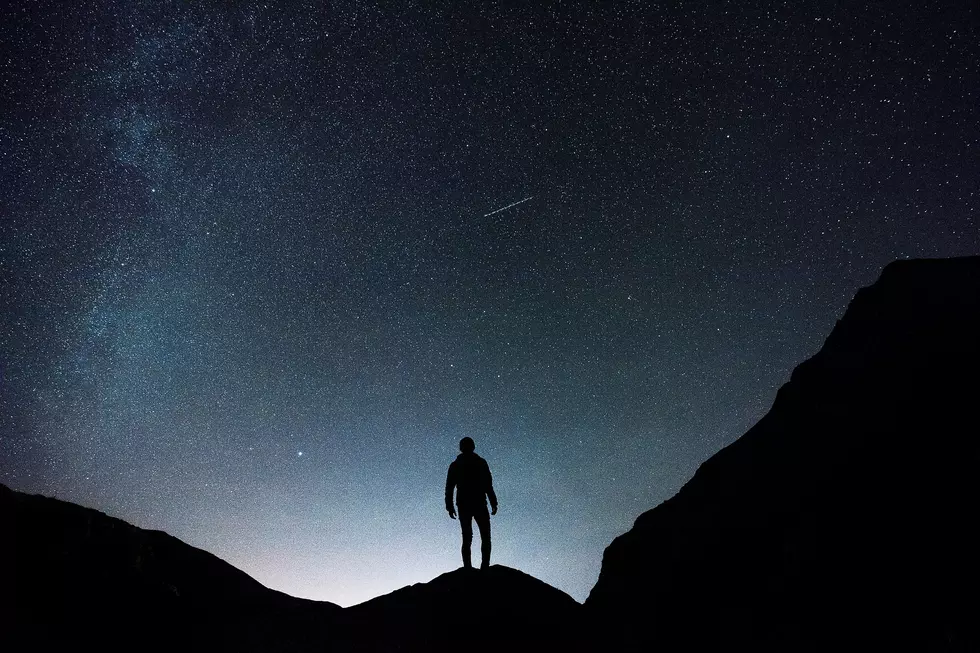
Set Your Alarm for the Orionid Meteor Shower Over Montana October 21 and 22
Whenever something big happens in the night sky, we load up the car and drive out to the farthest spot from the lights we can find. A meteor shower on a phone screen is nothing like one overhead, and we want to experience this magic with our own eyes.
Next week gives Montana another reason to make that drive. The Orionid meteor shower peaks in the predawn hours of October 21 and 22, which lands on Wednesday and Thursday mornings, and every streak you see is a piece of Halley’s Comet.
Montana Orionid Meteor Shower Peaks October 21 and 22
According to Farmers’ Almanac astronomers Dean Regas and Joe Rao, the shower is active until November 7, with the best rates on the nights closest to the peak. Under a dark rural sky, you can expect about 15 to 25 meteors per hour. Star Walk points to the hours between midnight and dawn on October 22 as the heart of the peak. That is a steady show rather than a downpour, so plan to stay outside long enough for your eyes to adjust.
Montana Skies Catch Pieces of Halley’s Comet Every October
NASA explains that Halley’s Comet takes about 76 years to orbit the Sun, was last seen by casual observers in 1986, and will not return to the inner solar system until 2061. Each pass sheds ice and dust, and Earth runs through that debris every October. The same comet also feeds the Eta Aquariids in May. Mark Twain was born in 1835 and died in 1910, both years when Halley’s Comet appeared, and the Orionids are bits of that very same comet.
Montana Moonset Time and What It Means for Viewing
The moon is the one complication this year. It will be a waxing gibbous, about 77 percent lit on October 21, and moonlight washes out the fainter meteors. The moon sets after midnight on the peak nights, a little later each night, and once it drops below the horizon, the sky is free of moonlight for the last stretch of darkness before sunrise. Set the alarm for the middle of the night and plan on the predawn hours.
Montana Viewing Tips: Where to Look for Orionid Meteors
Orion rises in the east around midnight, and the meteors appear to fan out from the Hunter’s upraised club. You do not have to stare at that spot. Meteors can show up anywhere, and looking about 45 degrees away from Orion tends to show you the longest streaks. Skip the binoculars and telescope, because they narrow your view too much. Your eyes do the best job.
READ MORE: What Do Montana’s Mysterious 3 7 77 Numbers Really Mean?
Light pollution matters more than anything else you can control, which is why we drive as far out as we can. NASA’s Bill Cooke, who leads the agency’s Meteoroid Environment Office, advises finding an area well away from city or street lights. The Farmers’ Almanac astronomers say a site at least 30 minutes outside a city can roughly double your count, while suburban skies drop it to about 5 to 10 per hour. For those of us in and around Billings, that means pointing the car down a country road and leaving the streetlights behind.

What Montana Viewers Will See in the Predawn Sky
Orionids are fast, hitting the atmosphere at about 41 miles per second, and many leave glowing trains that hang in the air for several seconds. Some of the faster meteors can flare into fireballs. Late October mornings in Montana are cold, so bring a warm layer and a thermos. If clouds roll in on the 21st, the shower stays active through November 7, so a second night is still worth the early alarm.
LOOK: 31 breathtaking images from NASA's public library
Gallery Credit: Deborah Brosseau
More From Cat Country 102.9