Only one state appears to be more relaxed than Montanans and Alaskans, according to a recent analysis of Google Trends. But is Montana really that relaxing?
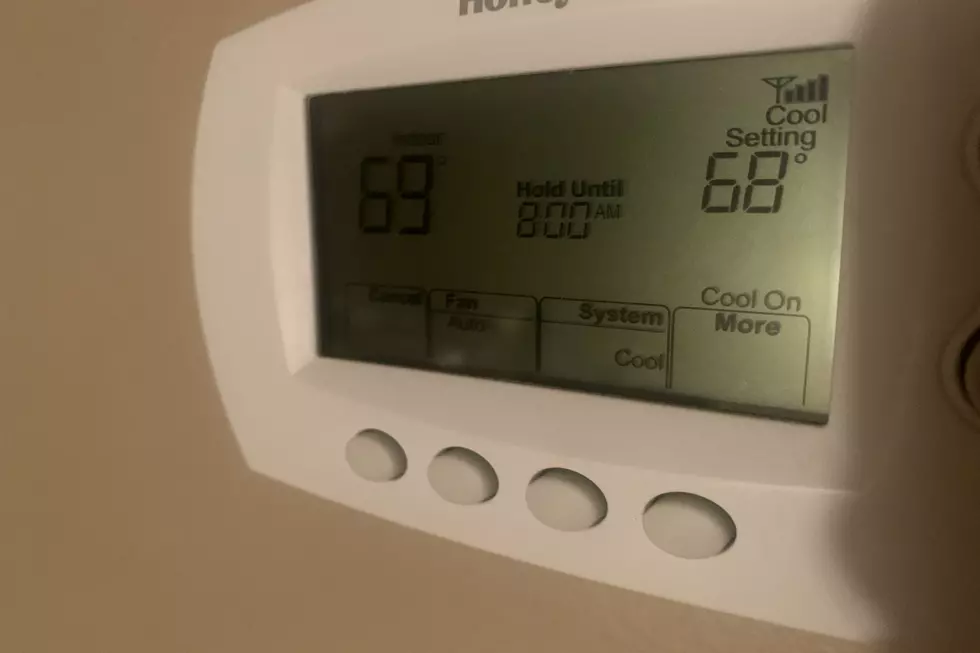
According to a Consumer Reports study, you can save about 3 percent on your electric bill for every degree you raise the thermostat setting. So theoretically you would save about 30 percent if you raise the temp from 72 to 82 degrees.
I recently learned that it's actually not a great sign if you fall asleep that fast. It might indicate that you're generally over tired or maybe that the sleep you get isn't that great.
There has been one time when I fell asleep at work and it did coincide with Daylight Saving Time. I was working at a radio station in Knoxville, Tennessee and had to be at work 5 a.m. Sunday mornings. These days, the computer handles playing the songs, but that wasn't the case back then. If the deejay wasn't paying attention, the song came to a stop and silence ensued until he or she put something else on. This particular station was a "Soft Rock" format and at the time featured such core artists as Michael Bolton and Kenny G.
I'm not a good sleeper...never have been. This problem seems to be getting worse with age, so I started looking into things that cause it. There were some obvious ones (lots of carbs, sweets, or caffeine before bed), but one that surprised me.
The Eli Young Band boys are riding a major wave of success as of late. After scoring their first No. 1 hit when single ‘Crazy Girl’ climbed to the top of the charts, the foursome started to see some forward momentum. And it doesn’t sound like the band has plans to slow down any time soon.