Montana’s ‘Outlaw Alley’ Was A Wild Place And Time
I just finished reading Outlaw Tales of Montana, by Gary A. Wilson. The Havre, MT, author reveals True Stories of Notorious Montana Bandits, Culprits, and Crooks, and it is a fascinating look at the wild crime that occurred from roughly the late 1890s to around 1920 in Big Sky Country.
Read More: A Montana Family Road Trip Through Central Montana's Hidden Gems

Specifically, a ton of crazy crime in Eastern and Central Montana.
What I found interesting is that a huge portion of banditry, cattle rustling, shootouts, robberies, prison escapes, lawmen's deaths, and other assorted bad-guy stuff went down in Eastern Montana, and along the Hi-Line.
Much of it involved operators who stole livestock and horses. This illicit trade was a huge criminal enterprise in some cases, as the thirst for horses and cows became insatiable during the rapid expansion of the West.

We're not talking about a couple of horses and cows here and there, but dozens or even hundreds, sold to buyers in the South, Midwest, and Canada. The author gives an example of a $20 horse (stolen, so... free?) in Montana being worth $100 in Minneapolis.
Most of us are probably familiar with the tales of Henry Plumber and the Vigilantes of the Virginia City area, but this book was an eye-opener for me. I never realized how many famous and infamous Old West criminals lived or passed through Eastern Montana during their wild lives of cowboy crime.

I wish bad guys still had cool nicknames.
Dudes with names like "Dutch" Henry Ieuch, George "Big Nose" Parrot, the Outlaw "Kid" Curry, "Con" Murphy, and many others were some of the biggest cattle and horse thieves in the country. Most of them ran their trades - and criminal activities - in a corridor that stretched roughly from Miles City to Canada.
These less-than-savory characters spent time in and around present-day Plentywood, Havre, Chinook, Shelby, Zortman, and Fort Peck. They liked using the cover of the Missouri Breaks for escapes, hiding out, or armed robberies.

Some were hanged quickly, others got away with it for years.
We think the criminal justice system has flaws today, with repeat offenders and too light sentences, but it was no different (if not worse) in 1900 Montana. Judges were bribed, witnesses reported not seeing a thing, fearing retaliation, or clear cases of wrongdoing were frequently dismissed for lack of evidence.
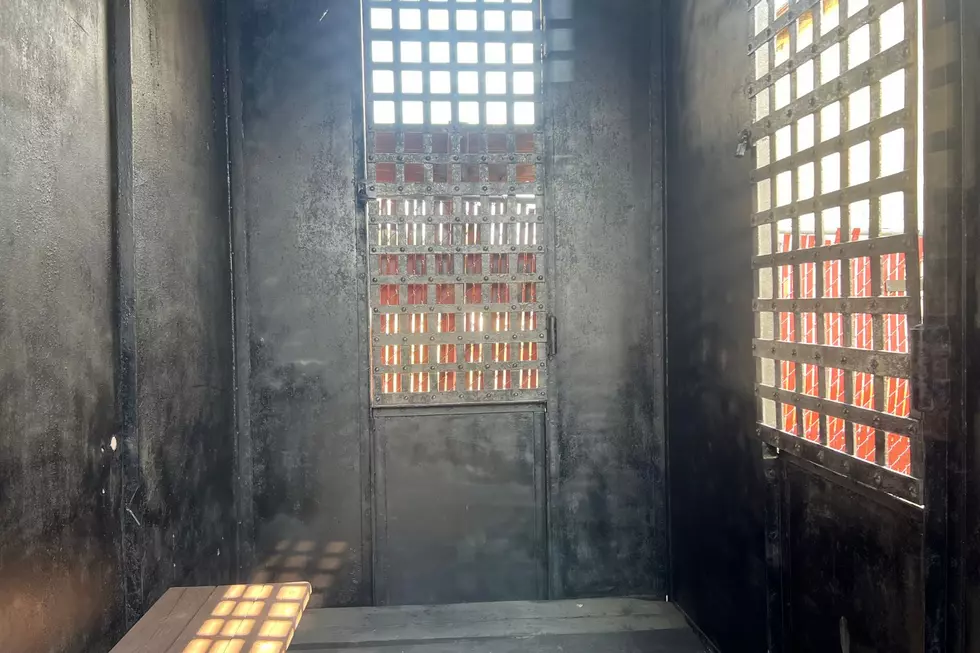
Many of the crooks got away with all kinds of stuff for YEARS, with slaps on the wrist, tossed cases, and an alarming number of jailbreaks and escapes, leading to speculation (and in some cases proof) of crooked lawmen. In other cases, Western justice was swift, with a quick coroner's inquest, followed by a public hanging.

Talk about an open border.
Crime crossed the border regularly in this part of Montana, and international cooperation between the United States and Canada played a large role in capturing some of these Wild West thieves and murderers. The book shares interesting details of the Royal Canadian Mounted Police frequently working across the border with our Montana lawmen to serve justice, and vice versa.

Fans of the prairies, badlands, and mountain ranges of Central and Eastern Montana should read this book. Fans of the Wild West outlaws (besides Wyatt Earp and Buffalo Bill) should read it, too. I found it at the library. Simon and Schuster has it for $14.99, or check the Montana/local authors section of your favorite local bookstore.
The Eye Popping Food Prices of 1860s Montana
Gallery Credit: Michael Foth
Peek Inside this Abandoned Montana Burger King
Gallery Credit: Michael Foth
More From Cat Country 102.9